
The ASEAN Advantage: Why Local Context Matters in Digital Transformation
Leadership Thought0 25.06.2025

The ASEAN Advantage: Why Local Context Matters in Digital Transformation

Ben

Ben

Head of Product


As digital transformation accelerates across the globe, ASEAN countries face unique challenges and opportunities. While the promise of AI, automation, and cloud technologies is universal, the path to success is anything but one-size-fits-all. At BKS, we’ve learned that winning in this region means designing solutions that are not only technologically advanced but deeply rooted in the local context. 

Why Localization Isn’t Optional


Digital transformation in ASEAN is shaped by complex regulatory landscapes, diverse languages, fragmented infrastructure, and cultural nuances that cannot be ignored. A solution that works in the U.S. or Europe rarely drops in seamlessly here. It must be adapted, or better yet, built from the ground up, with regional dynamics in mind.


That’s why our approach goes beyond technology. It starts with empathy and understanding of the users, the data ecosystem, and the socio-economic fabric we’re working within. 

 

Partnering with Universities for Hyper-Localized AI 


One of the keyways BKS achieves this successful localization is through partnerships with leading Thai universities. These collaborations give us access to high-quality, localized datasets: especially critical in domains like agriculture, language models, and policy design.


For example, training an AI chatbot for Thai farmers isn’t just about translation. It’s about understanding the dialects, seasonal crop cycles, cultural behaviors, and even political sensitivities that shape how people engage with technology. Our partnerships allow us to build AI that reflects this complexity, making it more relevant, usable, and impactful. 
 

Digital Transformation That Delivers Results


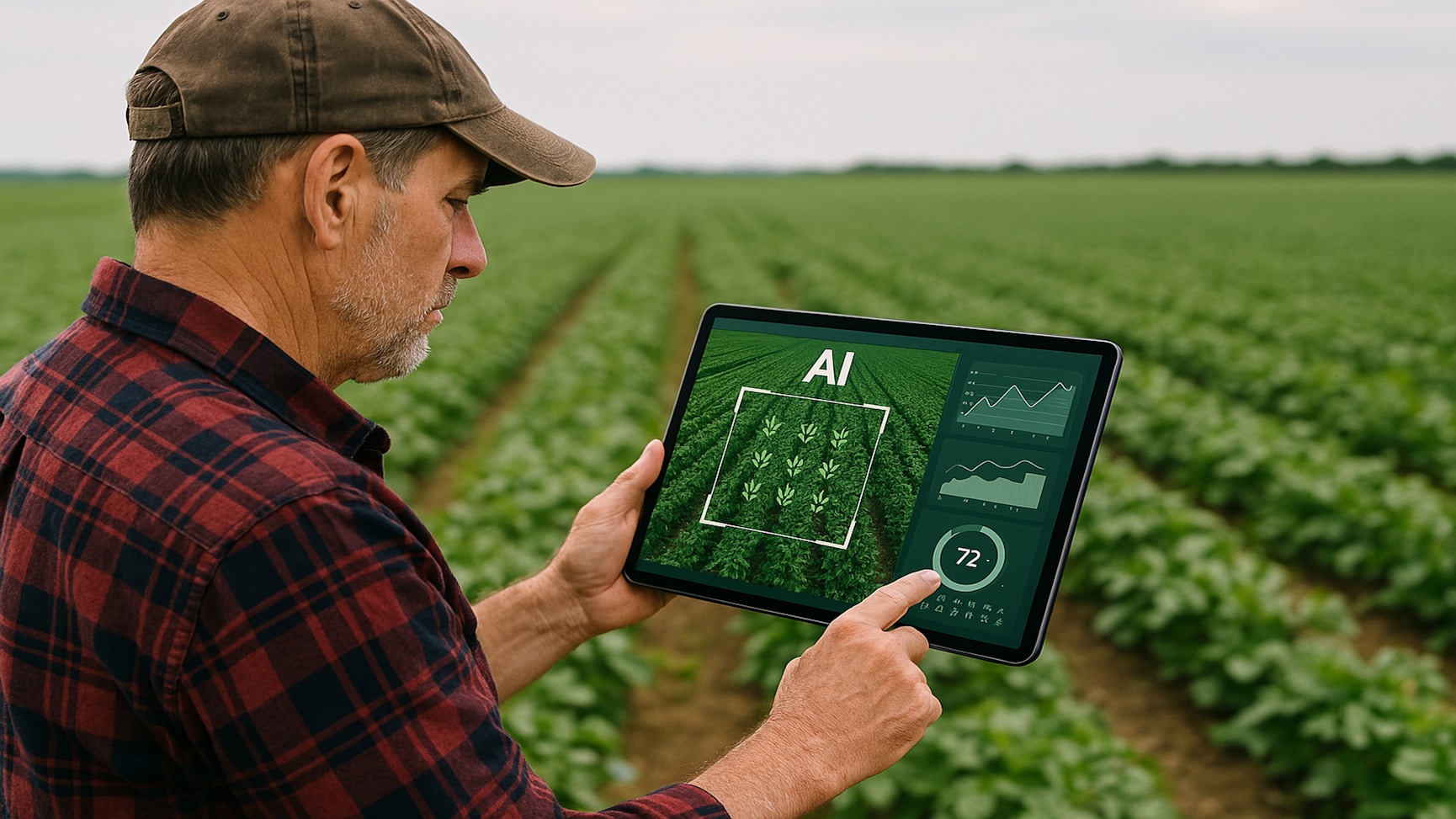
We’ve applied this philosophy in real-world projects like our Durian Traceability System, which uses blockchain to improve transparency in Thai durian exports, and our Smart Farming platforms, which integrate IoT with AI to optimize irrigation and fertigation for local crops.


These aren’t abstract tech demos. They’re active solutions solving real problems; whether it’s reducing crop loss, improving food safety, or helping ministries make better, data-informed decisions. 

The Future Is Local


ASEAN isn’t just a region of emerging markets; it’s a region of emerging solutions. The most effective digital transformations here won’t be imported; they’ll be co-created. That’s the advantage for those who truly invest in understanding and engaging with the local context.


At BKS, we believe the future of digital transformation in ASEAN will be shaped not just by technological innovation, but by cultural intelligence, regional collaboration, and long-term commitment to local impact. 

 

About

Ben

Head of Product

Ben, Head of Product at Bangkok Silicon, brings over 15 years of experience spearheading digital transformation initiatives across the U.S. and Southeast Asia, with a track record of success in the government, insurance, and hospitality sectors. At BKS, Ben drives the strategy and execution of AI-driven solutions that enable government agencies and enterprises in Thailand and ASEAN to modernize operations and unlock new value. He is passionate about building high-impact products that apply emerging technologies to solve critical challenges across the public sector and agricultural value chains in the region.

Stay on Track

Previous
Next
Thailand's Fields of the Future: How AI, IoT, and Blockchain are Cultivating a New Era in Agriculture

Leadership Thought25.06.2025

Thailand's Fields of the Future: How AI, IoT, and Blockchain are Cultivating a New Era in Agriculture

Bangkok, Thailand – The agricultural sector, a cornerstone of Thailand's economy and heritage, is at a pivotal juncture. Facing a confluence of challenges – from a shrinking and aging workforce to the escalating impacts of climate change and evolving market demands – the nation is increasingly turning to advanced technologies to cultivate a more resilient, efficient, and profitable future for its farmers. Artificial Intelligence (AI), the Internet of Things (IoT), and Blockchain are no longer futuristic buzzwords but tangible tools being sown into the fertile grounds of Thai agriculture, promising a digital transformation that could redefine the industry. For generations, Thai farmers have been the backbone of the nation's food security and a significant contributor to its export economy. However, the sector is grappling with significant pain points. Labor shortages, driven by an aging rural population and migration to urban centers, are acute. Lack of sophisticated production planning and management often leads to suboptimal resource use and reduced yields. The increasing frequency of droughts and floods due to climate change, coupled with water scarcity issues, poses a constant threat. Furthermore, many farmers, particularly smallholders, struggle with land fragmentation, high production costs, low productivity, limited access to markets and finance, and significant post-harvest losses. These challenges are precisely where advanced technologies offer groundbreaking solutions. The Thai government, recognizing this potential, is actively promoting "Agriculture 4.0," a key component of its overarching "Thailand 4.0" vision for an innovation-driven economy. Initiatives like the Bio-Circular-Green (BCG) economic model are further emphasizing the role of smart agriculture in achieving sustainable development. 

Leadership thought detail | Bangkok Silicon